






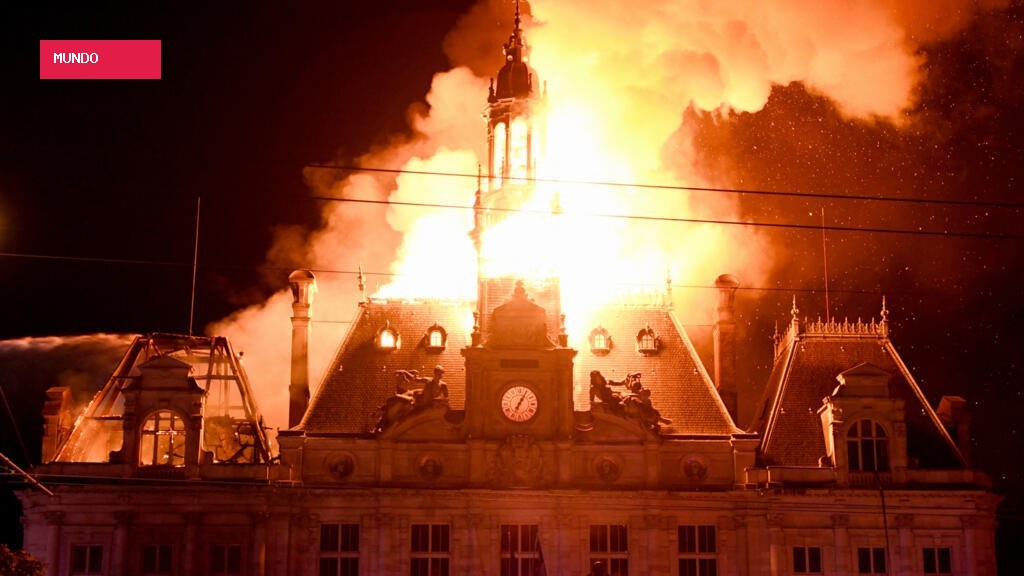
Arábia Saudita afirma que ataque dos Houthi danificou torre de Riyadh.
- NewsShow more news sectionsMiddle East.
- list 2 of 3Saudi coalition hits 60 Houthi military sites; Taiz sees ‘fierce battles’.
- list 3 of 3How the Houthis fund war effort and tighten grip on Yemen.
- Al Jazeera Centre for Public Liberties & Human Rights.
- Yemen’s besieged city of Taiz faces a deepening water crisis | Houthis News | Al Jazeera Skip linksSkip to Contentplay Live Sign upShow navigation menuNavigation menu.
Mas o atraso não é o único problema. Ele diz que agora tem que pagar mais – o resultado do cerco Houthi em Taiz, no sudoeste do Iêmen.
The United Nations children’s agency (UNICEF) says that water production in Taiz has nearly halved, while more than 800,000 people are reported to be cut off from humanitarian assistance.
The crisis has left the city reeling, even as government soldiers try to defend it, in the latest round of fighting to hit the area since the war in Yemen started in 2014.
Hospital administrators are warning of a public health disaster, while government officials are unsure how much longer they will have the funds needed to carry out even limited services.
Taiz, a terceira maior cidade do Iêmen, tem sofrido há muito tempo com grave escassez de água.
But, according to Wafiq al-Aghbari, director-general of Taiz governorate’s Local Water and Sanitation Corporation, the crisis “intensified in 2015, with the first siege imposed on the city by the Houthis, and continued to worsen year after year, as the suffering of the city’s residents grew”.
Ele disse que a crise se aprofundou desde que os houthis cercaram a cidade novamente em outubro, depois que fizeram avanços contra as forças governamentais no interior ao redor de Taiz.
Before the war started in 2014, al-Aghbari explained, Taiz received about 20,000 cubic metres (700,000 cubic feet) of water per day from six large wellfields, which had supplied the city and its immediate surroundings for years.
Mas apenas um desses poços está dentro dos limites da cidade, e antes da guerra, ele só havia sido usado em emergências.
By 2015, Taiz had lost access to all five of its external wellfields, which had either fallen under Houthi control or were on the front lines, leaving the city reliant on its emergency wells.
But work in the past few years to dig additional wells and rehabilitate existing sources had brought daily production capacity up to 5,000 cubic metres (175,000 cubic feet) – still just 14 percent of the city’s estimated daily needs.
The Houthi encirclement of Taiz in October led to the Iranian-backed group seizing control of Hadhran al-Dhabab, an external wellfield that had been partially restored in August 2025.
A situação levou a corporação de água a perder 3,200 metros cúbicos (112,000 pés cúbicos) de capacidade de produção diária – 1,200 metros cúbicos (42,000 pés cúbicos) após a parada da bomba no poço Hadhran al-Dhabab, e mais 2,000 metros cúbicos (70,000 pés cúbicos) depois que os poços dentro da cidade pararam de operar devido à escassez de diesel.
The corporation is now able to produce only 1,800 cubic metres (63,180 cubic feet) a day from the emergency wells that it can still operate.
Al-Aghbari said the consequences of the siege had extended beyond the widening gap between water supplies and demand.
Funding and supplies for the city’s charitable water distribution points, known as “sabeel”, have also been disrupted, because of shortages of fuel and water.
According to al-Aghbari, the subsidised distribution points had previously provided up to 1. 5 million litres (396,000 gallons) of fresh water a day, alongside a further 1 million litres (264,000 gallons) of untreated water.
Ele acrescentou que isso era especialmente problemático porque mais moradores não conseguem pagar por água fornecida comercialmente devido à piora da situação econômica, e se tornam mais dependentes dos pontos de distribuição de água gratuita.
He continues to try to pick up water from the Hadhran al-Dhabab wellfield, but said that the process had become difficult.
The Houthis have denied responsibility for the closure of roads into Taiz. Human Rights Watch has said that residents, aid workers, and UN officials had blamed the armed group for shortages in the city.
As consequências do cerco ultrapassaram seu impacto humanitário e econômico, com graves implicações para a saúde pública, segundo o Dr. Abdulqawi al-Shamiri, diretor do Hospital al-Taawun de Taiz.
He warned of “serious health disasters because of the interruption of safe water supplies that residents used to obtain from groundwater fields outside the city”.
Al-Shamiri said water from the emergency wells within the city had “long been unfit for human use, as a large proportion of it has become contaminated, or is hard water containing high concentrations of salts”.
Ele explicou que a contaminação foi resultado da mistura de esgoto com água devido a redes de esgoto mal mantidas, e lixo despejado nas ruas e nos canais de água de enchentes.
The Houthis, al-Shamiri said, have prevented waste from being transported to a landfill outside the city.
De acordo com um relatório interno do Fundo de Limpeza e Melhoria do Governadorato, quase metade do lixo da cidade não está sendo coletado.
Residents are contracting illnesses such as cholera and acute diarrhoea as a result, Al-Shamiri said.



Comentários
Participe da conversa. Comentários passam por moderação antes de aparecer.
Carregando comentários…