


Advogados de Christa Pike afirmam que ela está falando uma semana após a execução falha | Notícias da Pena de Morte | Al Jazeera Pular links Pular para o conteúdo Reproduzir ao vivo Inscreva-se Mostrar menu de navegação Menu de navegação.
- list 1 of 3Tennessee prisons official resigns after Christa Pike’s failed US execution.
- list 2 of 3Christa Pike unconscious, on ventilator after botched execution: Lawyers.
- list 3 of 3Christa Pike seeks firing squad, not lethal injection: Inside US executions.
- Al Jazeera Centre for Public Liberties & Human Rights.
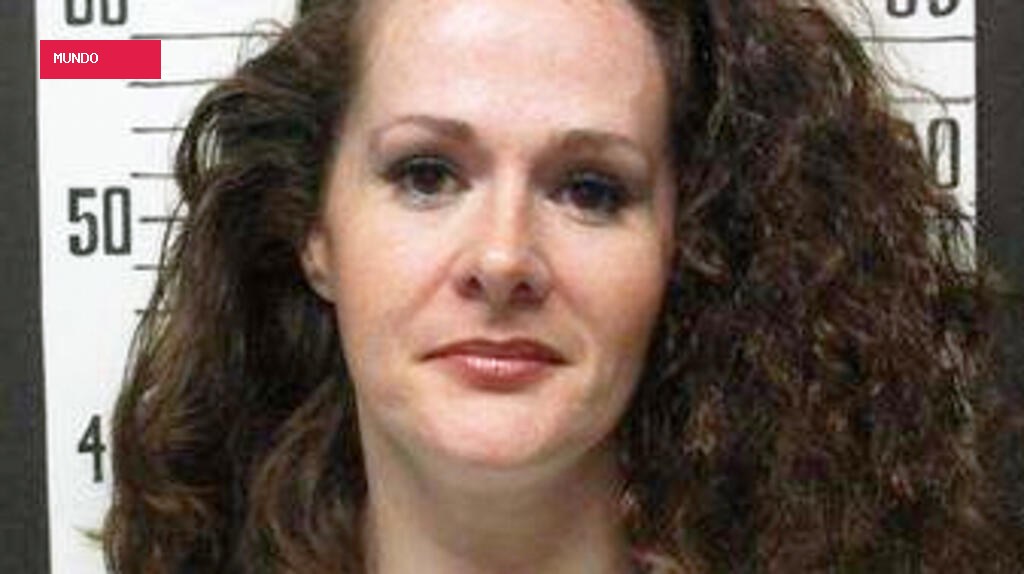
Tuesday’s statement marks the first public indication that Pike’s condition has improved after she was transported to a Nashville hospital after receiving two doses of pentobarbitol, lethal injections intended to end her life.
Her failed execution has sparked debate about the use of the death penalty in the United States. Pike is thought to be the first person to have survived such an injection in the country.
The statement also expresses gratitude to medical workers who the lawyers say have “treated Christa like a human and have provided exceptional care to her”.
Pike’s lawyers had previously stated that she was unconscious and on a ventilator. They described her arms as “swollen, burned and blistered” by the failed execution.
Pike foi condenada e sentenciada à morte em 1996 por sua participação no assassinato de uma colega de classe, Colleen Slemmer, quando tinha 18 anos. Dois co-réus receberam sentenças menores.
Pike’s defence lawyers had pointed to her mental health struggles in their attempts to commute her sentence. But the Slemmer family had advocated for the death penalty, pointing to the violent nature of the 19-year-old’s murder.
Accounts of Pike’s failed execution describe her kicking off the sheet covering her body and, at one point, appearing to snore. She reportedly expressed feeling pain as the lethal injections were administered.
O incidente trouxe atenção para a prevalência de execuções mal conduzidas no sistema de justiça criminal dos EUA.
Critics have argued that botched executions — defined as those that deviate from established procedures through unforeseen issues, delays or administrative incompetence — can cause unnecessary pain and suffering for those being put to death.
Citing the researcher Austin Sarat, the Death Penalty Information Center, a nonprofit, estimates that 3 percent of executions in the US from 1890 to 2010 were botched.



Comentários
Participe da conversa. Comentários passam por moderação antes de aparecer.
Carregando comentários…